

Data facilities and server rooms run on precision. Every rack generates centred heat, and even a brief spike in temperature can set off throttling, hardware failure, or steeply-priced downtime. Standard constructing HVAC structures don’t seem to be designed for this type of load — which is why spot coolers have end up a fashionable device for IT services and information middle operators. This information explains how spot coolers work, why they’re proper to server environments, and what to seem for when deciding on one.
Why Standard Cooling Falls Short in Server Rooms
Server racks pack some distance greater warmness into a small footprint than a usual workplace or residing space. A single rack can generate heaps of watts of heat, and that load is consistent — servers do not take breaks. General constructing HVAC is designed round average occupancy comfort, now not concentrated, 24/7 gear heat.
This creates two risks:
• Hot spots — racks and gear closets frequently overheat even when the relaxation of a constructing feels easily cool
• Downtime and hardware harm — sustained warmness above producer thresholds shortens thing lifespan and can set off emergency shutdowns
Evaporative or “swamp” coolers, every now and then used in industrial settings, are not a secure alternative right here both — they add moisture to the air, which poses a actual threat to electronics and circuit boards.
How Spot Coolers Solve the Problem
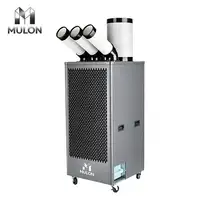
A spot cooler is a self-contained, refrigerant-based air conditioning unit. It attracts in heat air, cools it thru a closed refrigeration cycle, and exhausts the warmness (and any amassed moisture) via a duct — preserving the cooled air dry and secure for touchy equipment.
This makes spot coolers nicely perfect to server environments for a few reasons:
• No delivered humidity — in contrast to evaporative systems, the closed-loop refrigerant cycle would not introduce moisture into the room
• Targeted cooling — gadgets can be located immediately at warm aisles or unique racks rather of cooling an whole room
• Climate independence — overall performance does not rely on outside humidity or temperature, in contrast to evaporative alternatives
Key Benefits for Data Centers and Server Rooms
Portability and scalability Spot coolers can be moved to anywhere warmness builds up, barring redesigning the building’s HVAC system. As server racks are brought or reconfigured, cooling potential can scale with them.
Backup and redundancy When most important HVAC structures fail or go into maintenance, a spot cooler can serve as a stopgap — necessary for services the place even quick cooling gaps chance downtime.
Fast deployment For brief server setups, developing IT closets, or emergency cooling needs, spot coolers can be mounted in hours instead than the weeks a everlasting HVAC retrofit may take.
Moisture-safe cooling Because spot coolers do not remember on evaporation, there may be no chance of condensation-related harm to circuit boards, connectors, or energy supplies.
Choosing the Right Spot Cooler: Sizing and Specs
Selecting a unit comes down to matching capability to warmness load. A few sizing benchmarks:
| Cooling Capacity | Approx. Coverage Use Case |
| ~13,000 BTU | Small IT closets, single-rack setups |
| ~21,000–24,000 BTU | Mid-sized server rooms |
| ~45,000 BTU | Larger data center zones or multi-rack rooms |
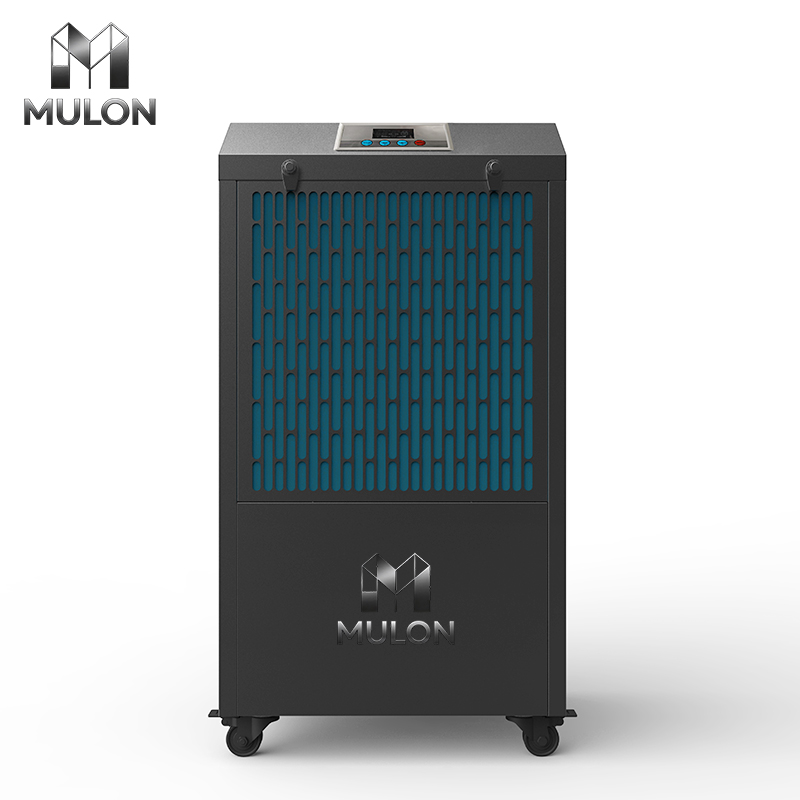
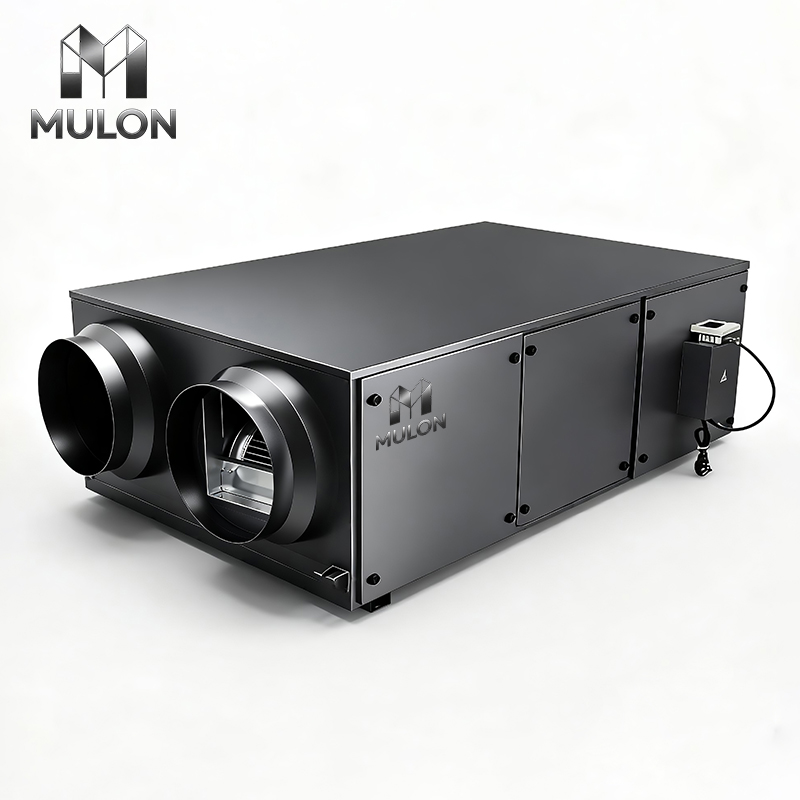
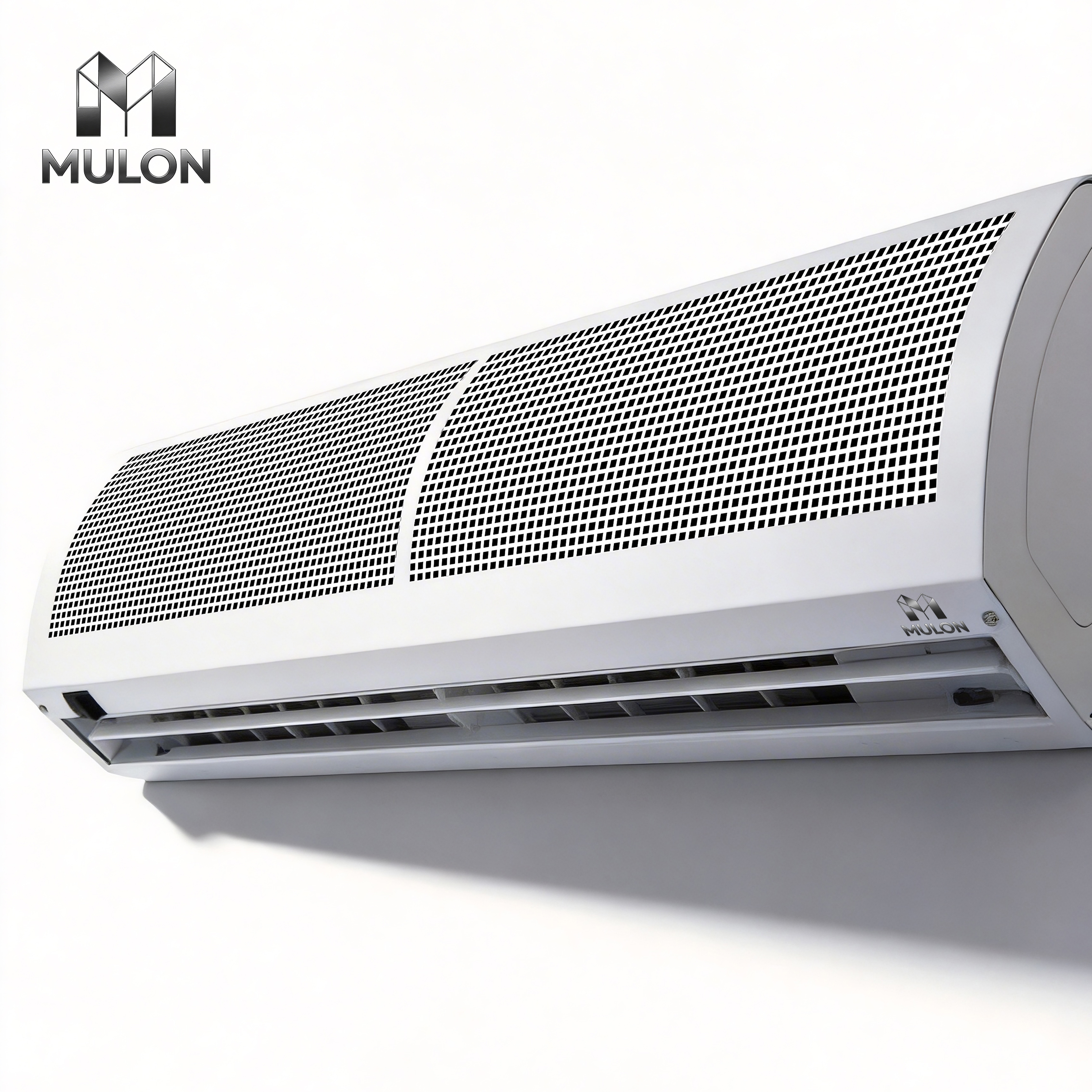
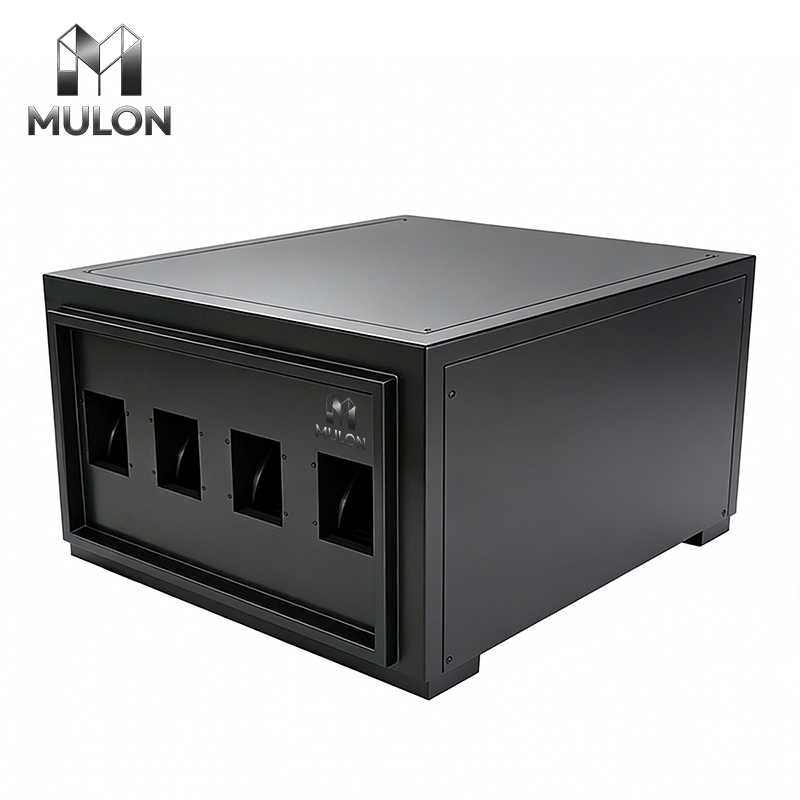
Manufacturers like Mulon Electric Co., Ltd. produce industrial-grade spot coolers throughout this vary — their MUL-POR series, for example, spans roughly 13,000 to 45,000 BTU with cooling air volumes from six hundred to 1,800 m³/h, giving services a vary of picks relying on room dimension and warmness load.
Other elements to weigh:
• Ducted vs. non-ducted gadgets — ducted gadgets vent warm air backyard the room entirely, which is usually preferable for sealed server environments
• Single-hose vs. dual-hose designs — dual-hose devices have a tendency to be greater environment friendly because they do not pull already-cooled air lower back thru the exhaust process
• Noise and footprint — vital in shared office/IT spaces, much less indispensable in committed server rooms
• Power necessities — affirm electrical capacity, specifically for large units
Best Practices for Deployment
• Position devices close to warm aisles or without delay in the back of high-load racks as a substitute than in a well-known room corner
• Route exhaust ducting outdoor the sealed house on every occasion feasible to keep away from recirculating heat
• Plan for redundancy (N+1) so a single unit failure does not depart gear unprotected
• Schedule normal filter and coil preservation — a records core cooling diagram is solely as dependable as its upkeep
Frequently Asked Questions
Do spot coolers add humidity to server rooms? No. Spot coolers use a refrigerant-based cooling cycle alternatively than evaporation, so they do not introduce moisture — making them secure for touchy electronics.
How many BTUs do I want to cool a server room? It relies upon on rack density and room size, however as a ordinary guide: small IT closets usually want round 13,000 BTU, mid-sized server rooms 21,000–24,000 BTU, and large multi-rack facts core zones up to 45,000 BTU or more.
Can spot coolers run 24/7? Yes. Industrial-grade spot coolers are constructed for non-stop operation, which is quintessential in server environments that run round the clock.
Conclusion
Server rooms and information facilities want cooling it is precise, moisture-safe, and dependable round the clock — prerequisites that preferred HVAC and evaporative structures honestly are not constructed for. Spot coolers fill that gap, and producers like Mulon Electric provide a vary of capacities acceptable to the whole thing from small IT closets to full information core zones, making it feasible to fit cooling potential at once to your facility’s warmness load.
Post time: 2026-08-05