
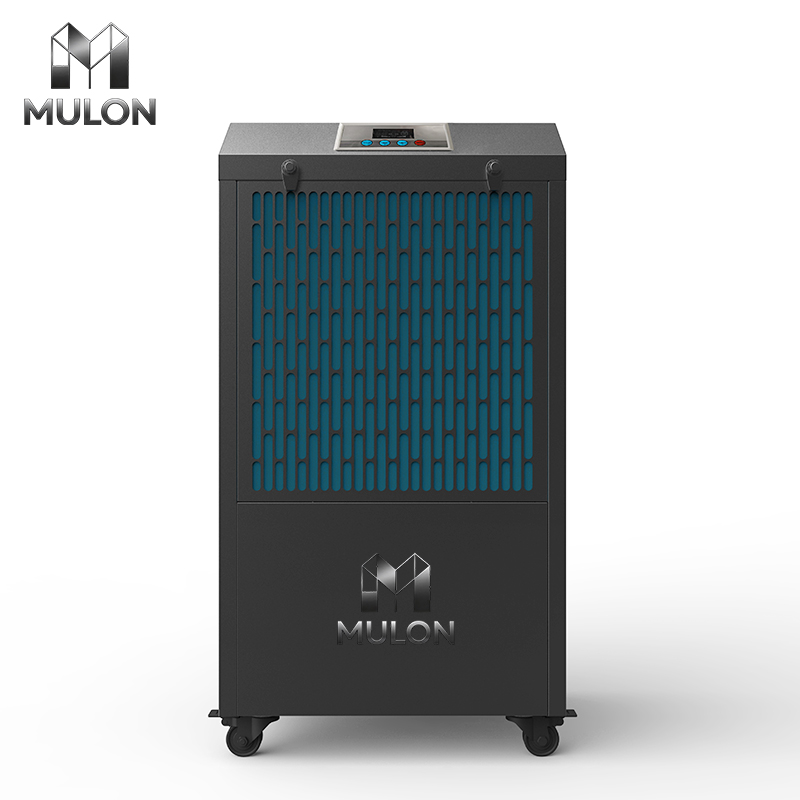
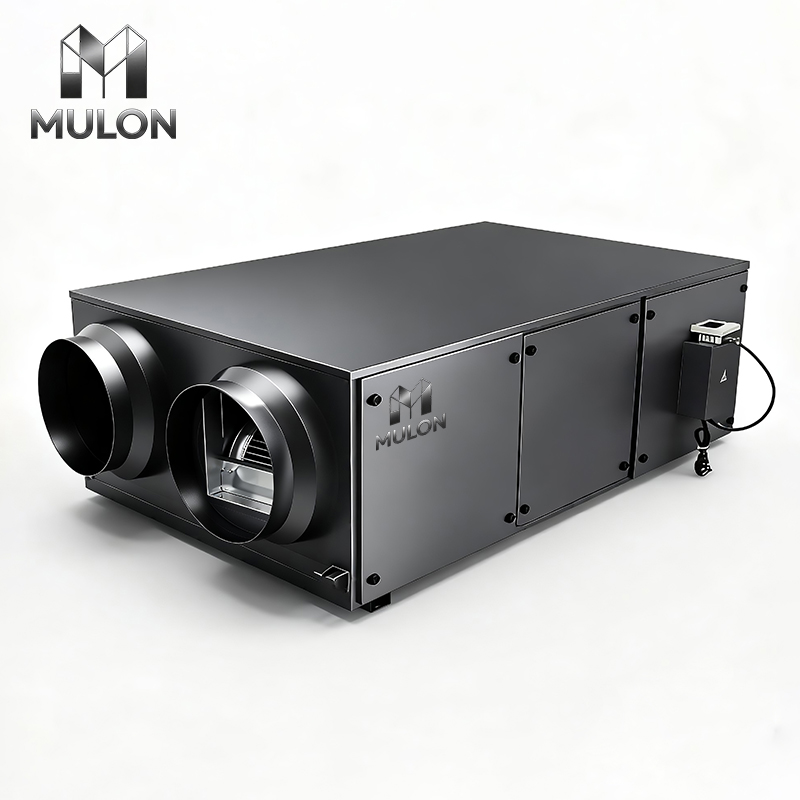
When temperatures rise, transportable cooling tools regularly appears like a easy buy — till you begin evaluating options. Two of the most usually stressed merchandise are the spot cooler and the evaporative air cooler. Both are portable, each promise alleviation from the heat, and each are marketed for comparable spaces. But they work in essentially unique ways, and selecting the incorrect one can suggest wasted cash or a room that in no way in reality cools down. This information breaks down how every machine works, the place every performs best, and how to determine which one suits your space.
What Is a Spot Cooler?
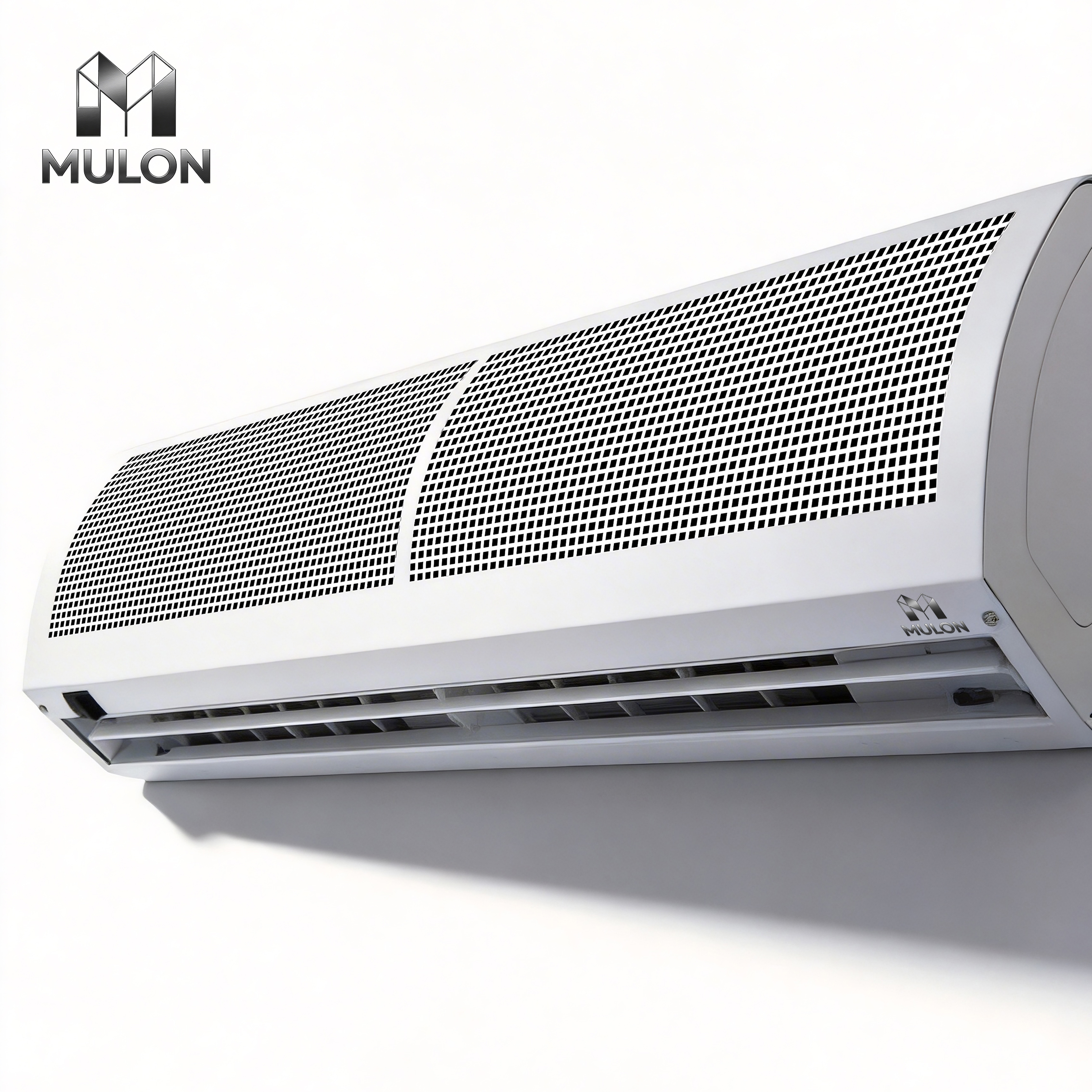
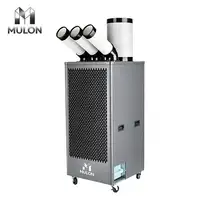
A spot cooler is a self-contained air conditioning unit that makes use of a refrigerant-based cooling cycle — the identical primary technological know-how observed in preferred AC units. It attracts in heat air, cools it the use of a compressor and refrigerant, and pushes bloodless air returned into the room. Hot air and moisture are expelled thru an exhaust hose, typically vented thru a window, ceiling tile, or wall opening.
Because spot coolers function as a closed-loop system, they work reliably regardless of humidity levels. This makes them a famous desire for:
– Server rooms and information centers
– Warehouses and industrial facilities
– Event tents and transient venues
– Humid or coastal climates the place evaporative cooling struggles
Spot coolers have a tendency to be heavier, greater luxurious to run, and require an exhaust path, however they supply consistent, measurable cooling in nearly any environment.
What Is an Evaporative Air Cooler?
An evaporative air cooler — occasionally referred to as a swamp cooler — works on a plenty less difficult principle: it pulls heat air via water-soaked pads, and as the water evaporates, it absorbs warmness from the air. A fan then circulates the cooled, barely humidified air into the room.
Because this manner depends on evaporation, it is most superb in hot, dry climates. In humid environments, the air is already saturated with moisture, so evaporation slows down and cooling overall performance drops significantly.
Evaporative coolers are usually used for:
– Homes and garages in arid regions
– Open or semi-open areas (patios, workshops)
– Budget-conscious cooling except excessive strength costs
Key Differences at a Glance
| Factor | Spot Cooler | Evaporative Cooler |
| Cooling method | Refrigerant/compressor | Moderate (heavier) |
| Best climate | Any (including humid) | Hot, dry climates |
| Energy use | Higher | Lower |
| Installation | Needs exhaust hose/vent | No venting required |
| Upfront cost | Higher | Lower |
| Operating cost | Higher | Lower |
| Operating cost | Moderate | Low to moderate |
| Maintenance | Filter/coil checks | Regular water refills, pad cleaning |
| Portability | Moderate (heavier) | High (lightweight) |
Which One Should You Choose?
The proper desire comes down to three factors: your climate, your space, and your budget.
– Live someplace humid? A spot cooler is nearly continually the higher alternative — evaporative cooling clearly might not operate well.
– Live someplace warm and dry? An evaporative cooler can cool efficiently at a fraction of the walking cost.
– Cooling a sealed room, server closet, or match tent? Go with a spot cooler for reliable, climate-independent performance.
– Cooling an open garage, patio, or workshop on a budget? An evaporative cooler is environment friendly and inexpensive.
Frequently Asked Questions
1. Can a spot cooler work in humid weather?
Yes. Spot coolers use a refrigerant-based system, so their overall performance isn’t always affected by means of humidity — in contrast to evaporative coolers.
2. Do evaporative coolers work indoors?
They can, however they work great in dry climates with some airflow. In enclosed, humid, or poorly ventilated indoor spaces, they’re a long way much less effective.
3. Which one makes use of much less electricity?
Evaporative coolers use appreciably much less electricity in view that they count on a easy fan-and-water system, whilst spot coolers require a compressor, comparable to fashionable air conditioners.
Conclusion
Spot coolers and evaporative air coolers each cool spaces, however they’re constructed for unique jobs: spot coolers supply reliable, humidity-proof cooling anywhere, whilst evaporative coolers provide budget-friendly cooling ideal especially to hot, dry climates. Choosing between them comes down to matching the science to your local weather and house — now not simply choosing whichever unit appears extra effective on the shelf.
Post time: 2026-07-31