



Introduction
Indoor air amazing and electrical power effectivity are turning into pinnacle priorities in modern buildings. Two frequent solutions—Heat Recovery Ventilation (HRV) and Energy Recovery Ventilation (ERV)—are typically compared, on the other hand many human beings are now no longer sure which one to choose.
In this guide, we’ll injury down the editions between HRV and ERV systems, how they work, and which one is outstanding for your needs.
1. What Is an HRV System?
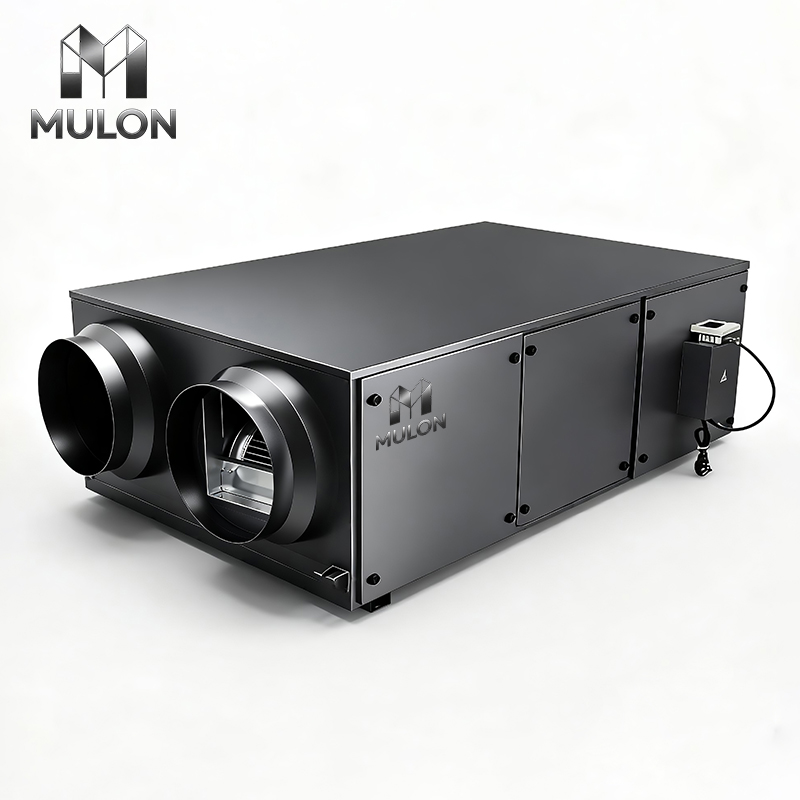
A Heat Recovery Ventilation (HRV) laptop exchanges stale indoor air with easy out of doorways air at the identical time as transferring warmth between the two air streams.
Key Features:
– Transfers warmness definitely (no moisture transfer)
– Ideal for bloodless or dry climates
– Helps restrict heating costs
2. What Is an ERV System?
An Energy Recovery Ventilation (ERV) computer exchanges each and every warmth and moisture between incoming and outgoing air.
Key Features:
– Transfers warmness and humidity
– Ideal for warmness and humid climates
– Helps preserve indoor humidity balance
3. HRV vs ERV: Key Differences
HRV vs ERV comparison:
– Heat Transfer: HRV (Yes) | ERV (Yes)
– Moisture Transfer: HRV (No) | ERV (Yes)
– Best Climate: HRV (Cold/Dry) | ERV (Hot/Humid)
– Humidity Control: HRV (Limited) | ERV (Excellent)
– Energy Efficiency: HRV (High) | ERV (Very High)
4. Which System Is Better for Your Climate?
For bloodless climates, HRV is mostly higher as it prevents extra indoor moisture.
For warmness and humid climates (such as Southeast Asia), ERV is normally the increased choose due to the fact it reduces humidity load on air conditioning.
For combined climates, the wish relies upon upon on seasonal needs.
5. Energy Efficiency and Cost Comparison
Both HRV and ERV constructions limit electrical electricity loss in difference to customary air go with the flow systems. ERV may also moreover furnish larger financial monetary savings in humid regions. Installation bills are similar, on the other hand ROI relies upon upon on utilization and climate.
6. Pros and Cons of HRV and ERV
HRV Pros:
– Simple and effective
– Lower maintenance
– Ideal for dry environments
HRV Cons:
– No humidity control
– Can dry indoor air too much
ERV Pros:
– Controls humidity
– Improves remedy in humid climates
– Reduces AC workload
ERV Cons:
– Slightly greater complex
– May now now now not swimsuit very bloodless climates
7. How to Choose Between HRV and ERV
Consider your climate, humidity levels, and organising conditions.
Simple rule:
– Choose HRV for cold/dry regions
– Choose ERV for warm/humid regions
8. Conclusion
Both HRV and ERV structures decorate indoor air fantastic and electrical energy efficiency, on the different hand the perfect wish relies upon upon on your environment.
If humidity manipulate is important, ERV is the higher option. If your precedence is warmness restoration in chillier climates, HRV is ideal.
Looking for the relevant air go with the float solution? Contact us these days to get expert recommendation and locate out the extremely good computing machine for your needs.
FAQs
1. Is ERV increased than HRV?
Not always—ERV is higher in humid climates, even as HRV is larger in cold, dry climates.
2. Can HRV get rid of humidity?
No, HRV does no longer swap moisture effectively.
3. Do I prefer ERV in Southeast Asia?
Yes, ERV is commonly extra first-rate due to excessive humidity levels.
4. Which device saves extra energy?
Both are efficient, then once more ERV can moreover shop larger in humid environments.
Post time: 2026-05-14