

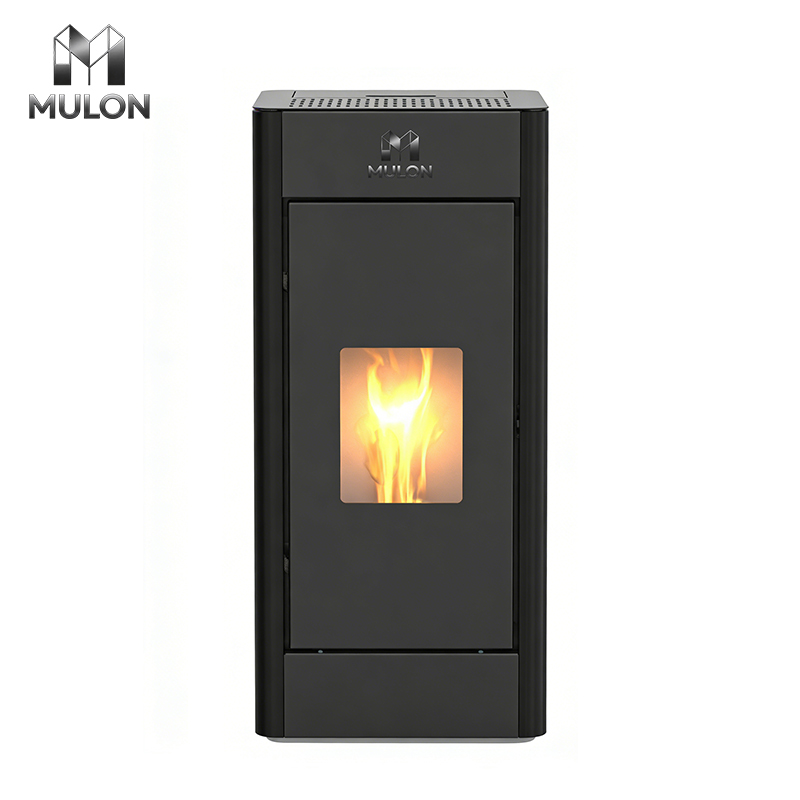

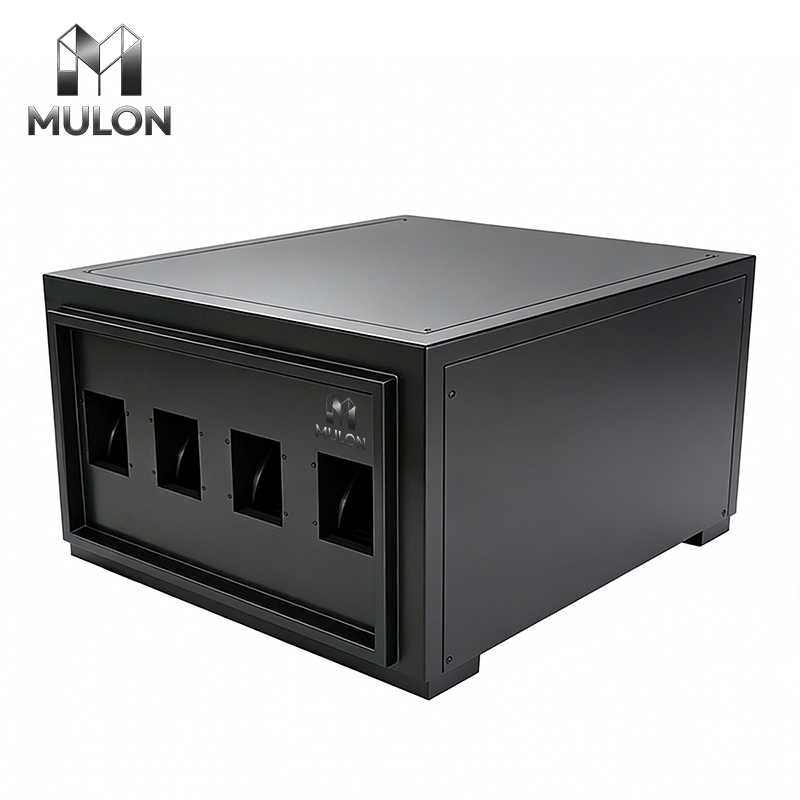
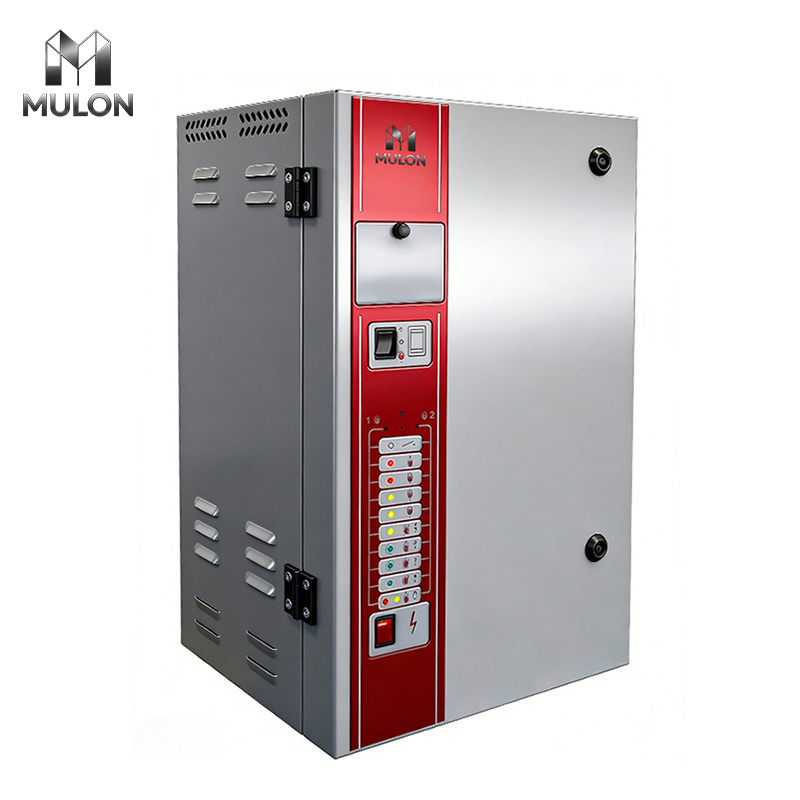
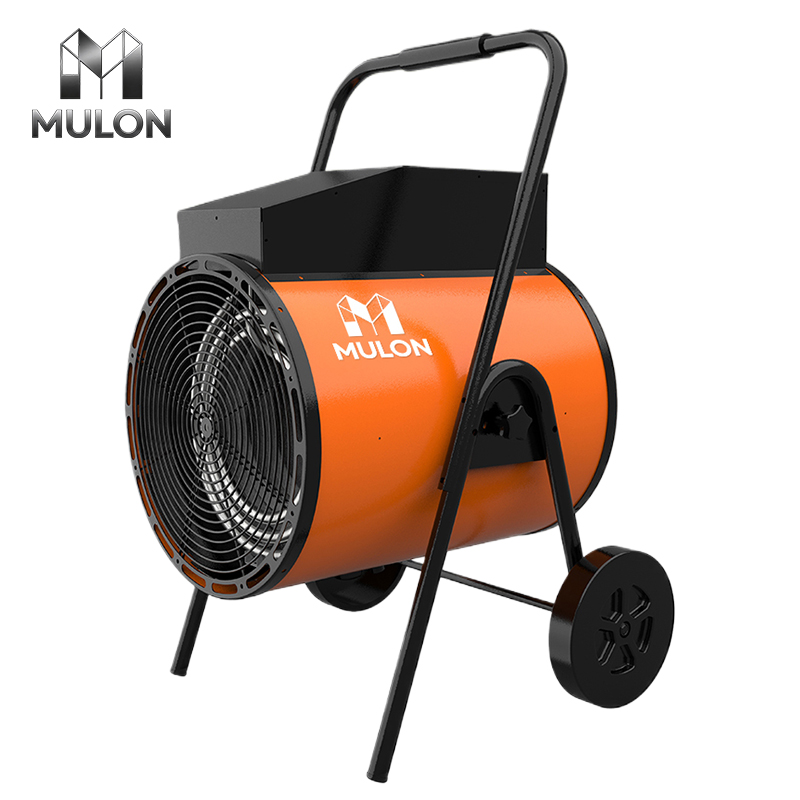

Keeping a warehouse, workshop, gymnasium, or agricultural constructing heat is a unique undertaking than heating a house. The ceilings are higher, the air volumes are larger, and doorways open and shut constantly, letting warmness escape. This is precisely the surroundings a gas-fired air heater is constructed for. Below, we ruin down how these devices work, why pairing them with an air destratifier makes them even extra effective, and the place to locate a producer that can provide both.
What Is a Gas-Fired Air Heater?
A gas-fired air heater is a heating equipment that burns herbal gas, propane, or LPG to generate warm air, which is then pushed into a house at once or disbursed thru ductwork. Instead of heating water or oil as an intermediate step (like a boiler system), it heats air directly, making it a fast-responding and energy-efficient way to heat massive indoor volumes.
How it works
1.Combustion – Gas burns internal a combustion chamber, producing heat.
2.Heat exchange – A warmth exchanger transfers that warmness into the airstream (in indirect-fired units), or in some designs, combustion gases combine straight into the air being delivered.
3.Air delivery – A fan or blower forces the heated air out via a nozzle, diffuser, or duct system, distributing it throughout the building.
4.Venting – Combustion byproducts are exhausted backyard via a flue, retaining the grant air smooth in indirect-fired models.
Direct-fired vs. indirect-fired heaters
| Type | How it works | Best for |
| Direct-fired | Combustion gases mix directly with the supply air | Well-ventilated industrial spaces, makeup air units, temporary heating |
| Indirect-fired | Well-ventilated industrial spaces, makeup air units, temporary heating | Spaces requiring clean breathable air: offices, retail, agricultural buildings, workshops |
Where gas-fired air heaters are used
– Warehouses and logistics centers
– Manufacturing plant life and workshops
– Greenhouses and agricultural facilities
– Gymnasiums, exhibition halls, and different massive public venues
– Commercial structures wanting fast, zone-based heating
Why amenities pick gas-fired air heaters
– High thermal efficiency – Modern condensing fashions get better warmness from flue gases that would in any other case be wasted, pushing effectivity shut to 99%.
– Fast heat-up – Air heats up nearly immediately, in contrast to hydronic structures that want time to heat water.
– Lower running cost – Natural gasoline is commonly more cost-effective per unit of warmth than electrical energy in many regions, and high-efficiency gadgets decrease gasoline consumption further.
– Scalable output – Modulating burners regulate warmness output to suit real-time demand rather of biking absolutely on and off, which improves relief and saves fuel.
Boosting Efficiency: Combining a Gas-Fired Air Heater with an Air Destratifier
Heat rises. In any constructing with a ceiling greater than about 4–5 meters, heat air naturally collects close to the roof whilst the occupied quarter at flooring stage stays surprisingly cooler. This phenomenon, regarded as thermal stratification, potential a gas-fired air heater can be working difficult whilst the humans and gear that definitely want the warmness are nonetheless cold. It additionally ability greater gas is burned than necessary, due to the fact warmness is being “wasted” at ceiling height.
This is the place an **air destratifier** turns into a herbal companion to a gas-fired air heater.
What an air destratifier does
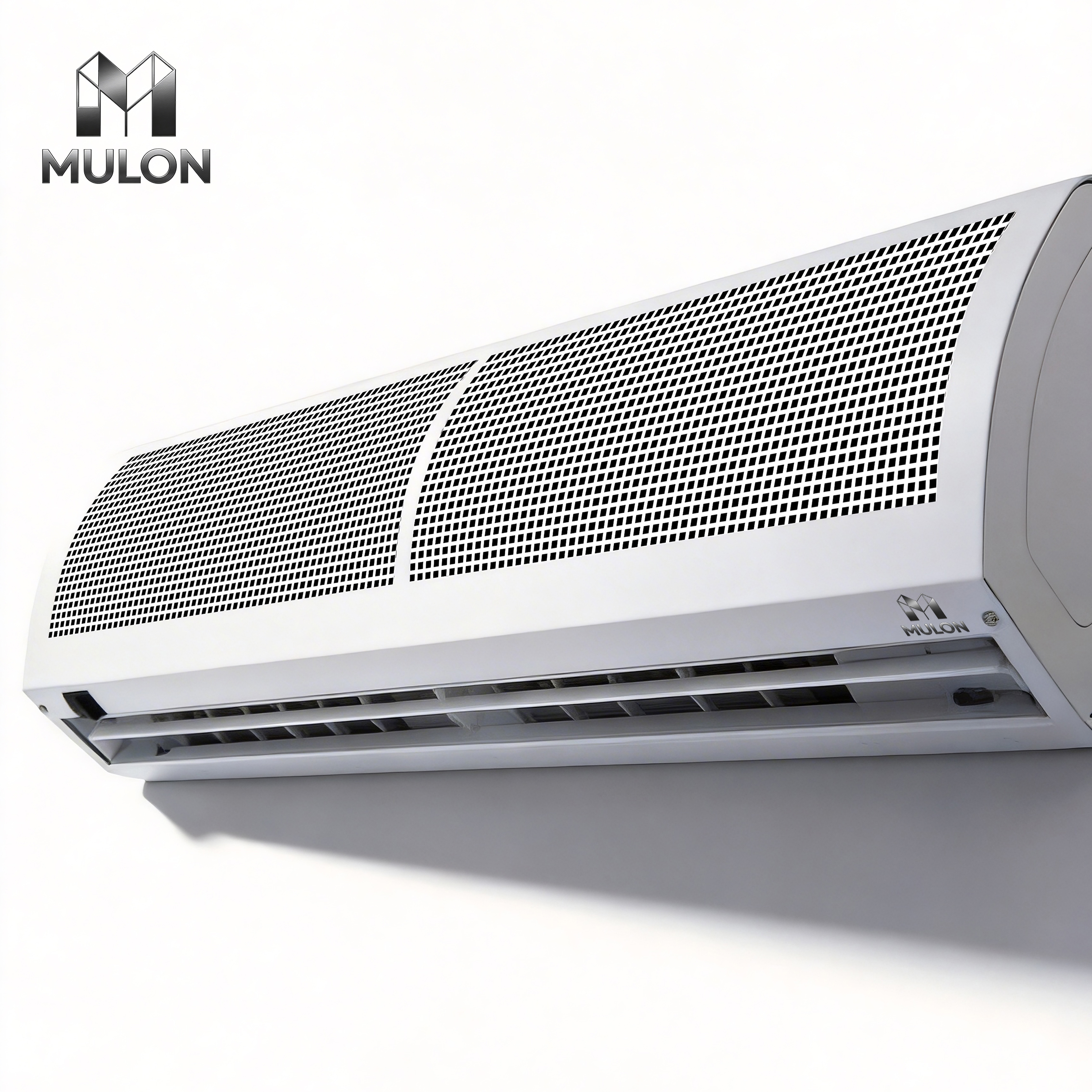
An air destratifier is a ceiling-mounted fan designed to gently and consistently combine the air layers internal a building. Rather than blasting air downward and developing drafts, it recirculates the heat air pooling close to the roof returned down into the occupied zone, nighttime out the temperature from ground to ceiling.
Why the mixture works so well
1. Even temperature distribution – The heater generates heat air; the destratifier makes positive that heat honestly reaches flooring degree alternatively of sitting uselessly close to the roof.
2. Reduced gasoline consumption – Because much less warmness is trapped and wasted at ceiling height, the gas-fired air heater would not want to run as challenging or as lengthy to keep a cosy temperature at working level. This can meaningfully reduce gasoline utilization over a heating season.
3. Faster, extra uniform warm-up – In giant open spaces, this pairing shortens the time it takes for the total constructing to attain a stable, comfy temperature.
4.Better alleviation for occupants – Destratification reduces the distinction between floor-level and ceiling-level temperatures, fending off the “cold feet, heat head” hassle frequent in high-bay buildings.
5. Works properly with modulating systems – When paired with a modulating condensing air heater, the destratifier helps the heater keep a steady, decrease output alternatively than biking at full power, which similarly improves effectivity and gear lifespan.
For amenities managers, this pairing is one of the most reasonable enhancements available: the destratifier is a surprisingly low-cost, low-maintenance addition, however it at once improves the return on funding of the heating gadget already in place.
Choosing a Reliable Supplier: Mulon Electric Co., Ltd.
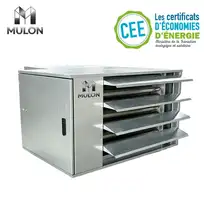
Getting the advantages described above relies upon on choosing well-engineered equipment. **Mulon Electric Co., Ltd.** is one of the pinnacle suppliers of gas-fired air heaters, presenting a modulating condensing air heater vary constructed for precisely the needs of giant business and industrial spaces.
A few highlights of Mulon’s Modulating Condensing Gas-Fired Air Heater lineup:
– High thermal efficiency – Mulon’s MUL-RQ collection condensing gadgets are rated at up to 99% thermal efficiency, minimizing wasted fuel.
– A full potential range – From the MUL-RQ-30N (30 kW, 3,000 m³/h airflow) up to the MUL-RQ-120N (120 kW, 12,000 m³/h airflow), permitting the heater to be matched exactly to the dimension of the building.
– Long, adjustable throw – Airflow throw distances of up to thirteen meters assist the heater supply heat air throughout massive open flooring plans from a single mounting point.
– Modulating burner control – The burner adjusts output to suit real-time heating demand instead than truly switching on and off, enhancing each remedy and gasoline economy.
Mulon additionally manufactures a complementary air destratifier range(the MUL-40DE, MUL-85DE, and MUL-140DE models, with airflow capacities from 4,000 to 14,000 m³/h), making it viable to specify a heating and air-mixing device from a single provider — a sensible benefit for assignment planning, compatibility, and after-sales support.
For full specifications, potential charts, and technical drawings, go to Mulon’s Modulating Condensing Gas-Fired Air Heater product page
Final Thoughts
A gas-fired air heater is one of the most environment friendly approaches to warmth massive indoor spaces, and pairing it with an air destratifier addresses the single largest supply of wasted warmth in high-ceiling buildings: stratification. Together, the two structures supply a extra even temperature, decrease fuel bills, and a quicker route to a satisfied working environment. When sourcing equipment, working with an set up producer that provides each product strains — such as Mulon Electric Co., Ltd. — simplifies specification and ensures the two structures are designed to work nicely together.
Post time: 2026-07-23