
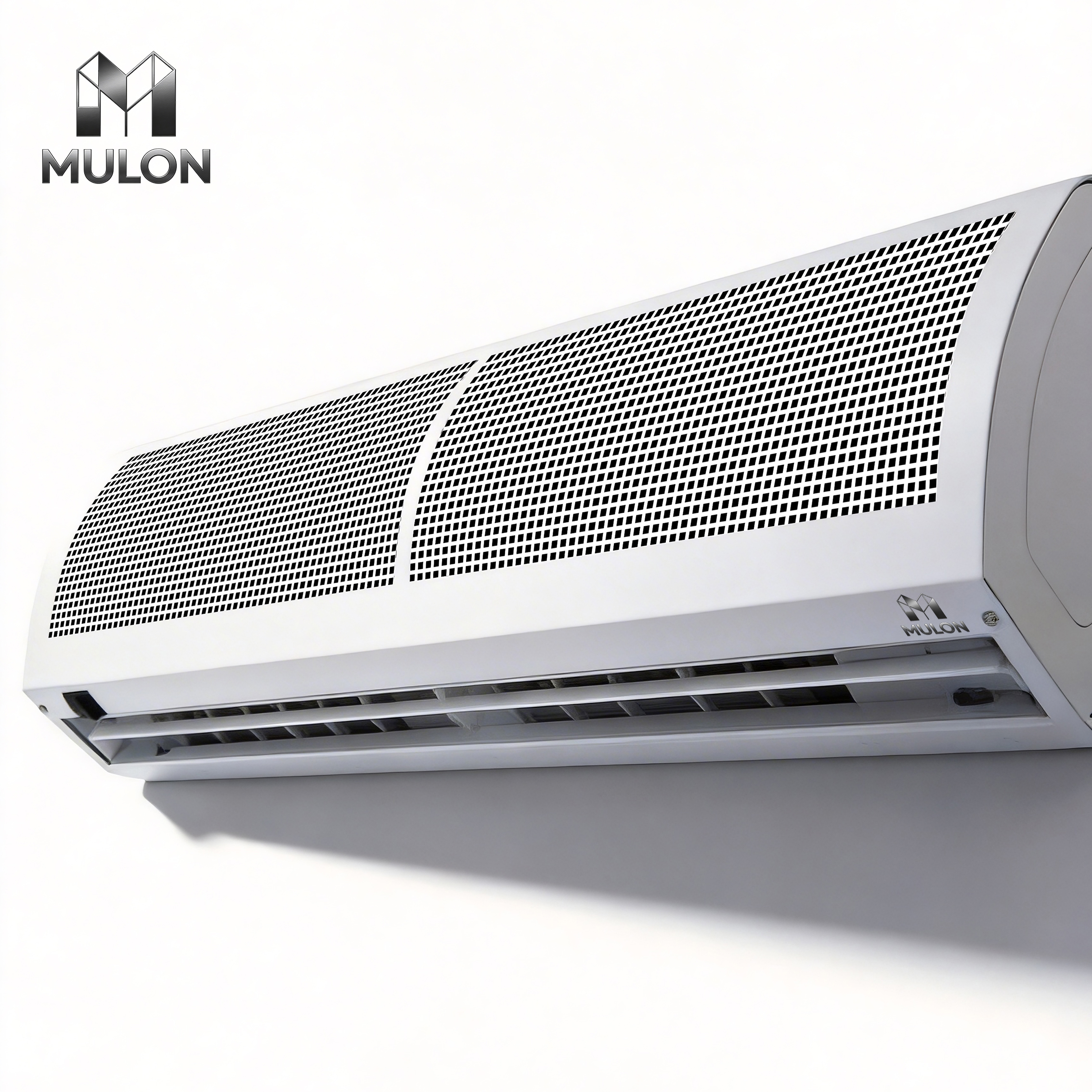

Heating a workshop with a high ceiling can feel like paying to warm the roof. Hot air rises, so the warmth you pay for collects near the ceiling while the people and machines at floor level stay cold. An air destratifier fixes this by pushing that trapped heat back down, and when it is paired with an electric air heater, the whole system works harder for the same energy. This article explains how the combination works, where it fits best, and how it can qualify for energy subsidies such as the CEE scheme in France.
The Problem: Heat Stratification in High-Ceiling Buildings
Warm air is lighter than cool air, so in any tall building it naturally rises. In a typical industrial building around 9 metres high, the air near the ceiling can be several degrees warmer than the air at floor level, and the gap grows with height.
This creates three common problems:
- Wasted energy, because heaters run longer to make the occupied zone comfortable while heat escapes through the roof
- Uneven comfort, with cold floors and warm ceilings
- Moisture issues, since warm humid air meeting a cold roof can lead to condensation in poorly insulated buildings
How an Air Destratifier Works
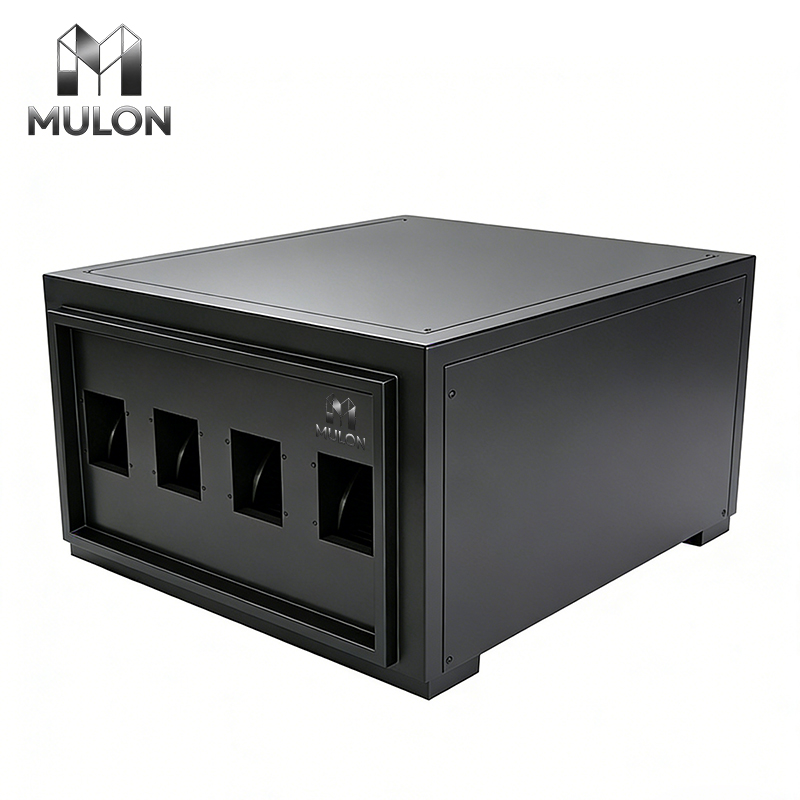
An air destratifier is a fan unit mounted high in the building. A temperature sensor near the ceiling tells it when warm air has built up. The unit then draws that air and mixes it down toward the floor, at a low air speed so workers don’t feel a draft.
The result is a more even temperature from floor to ceiling. Because the destratifier only moves air and does not add heat, it uses very little electricity compared with the heating energy it helps save.
Why Pair It With an Electric Air Heater
The two devices do different jobs, and that is why they work well together.
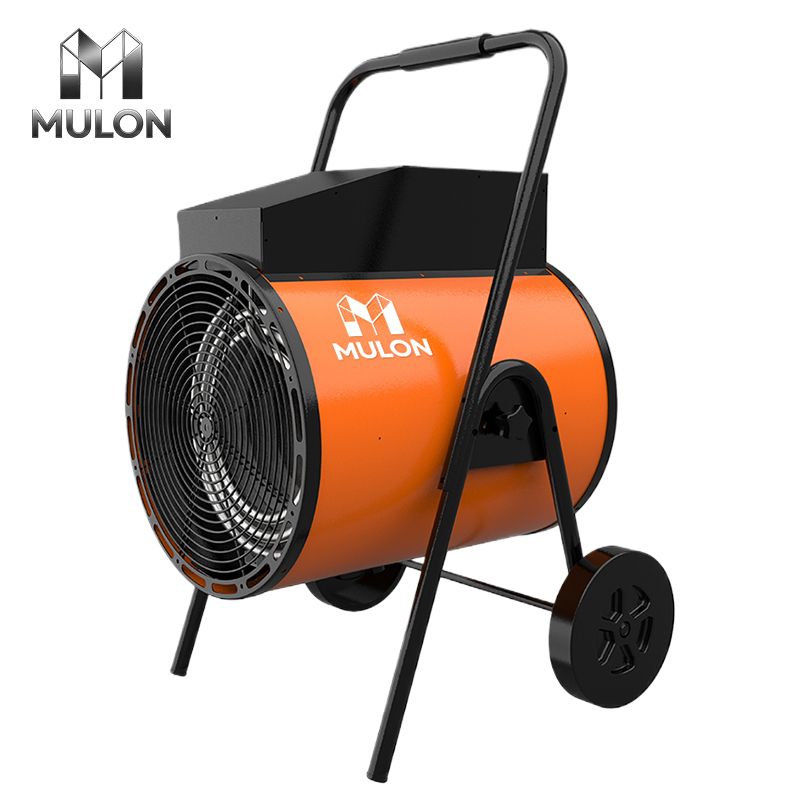
- The electric air heater adds heat. It heats the space quickly and can be placed where it is needed, with no boiler or pipework.
- The destratifier distributes that heat. Instead of letting warm air gather overhead, it returns it to the working zone.
In practice, the heater can reach the set temperature sooner and cycle off more often, which can significantly reduce heating consumption. The exact saving depends on building height, insulation, and how the space is used, so it should be estimated for each project rather than assumed.
Electric air heaters are also easy to install and relocate, which suits workshops where layouts change.
Where This Solution Works Best
The pairing delivers the most value in tall, enclosed, heated spaces:
- Production workshops and factories
- Large industrial halls with ceilings of about 5 metres or more
- Maintenance and assembly areas
- Sports halls and large commercial buildings
Logistics warehouses are a special case. They benefit physically from destratification, but they are excluded from the French CEE sheets mentioned below, so subsidy eligibility should be checked before relying on it.
Energy Subsidies: The CEE Scheme in France
France’s CEE (Certificats d’Économies d’Énergie) scheme funds energy-saving upgrades through standardized operation sheets. Air destratification is covered by sheet IND-BA-110 for industrial buildings and BAT-TH-142 for tertiary buildings.
Typical conditions include:
- An existing, fully enclosed building heated by a convective and/or radiative system, which includes electric air heaters
- A ceiling or ridge height of at least 5 metres
- An occupied heating setpoint of 15°C or higher
- A destratifier that is independent of the heating, meaning it does not heat the air itself
- A sizing note signed by a qualified professional, and installation by a professional with the required insurance
Two points are worth stressing. First, the subsidy relates to the destratification system, and the amount is calculated from the nominal heating power of the premises, with different values by climate zone and heating type. Second, rules and amounts change, so always confirm current eligibility with your installer or energy provider before signing a quote.
Choosing the Right Equipment
A good result starts with correct sizing: the number and position of destratifiers should match the building’s height, volume, and layout, and the heater capacity should match the heat loss of the space.
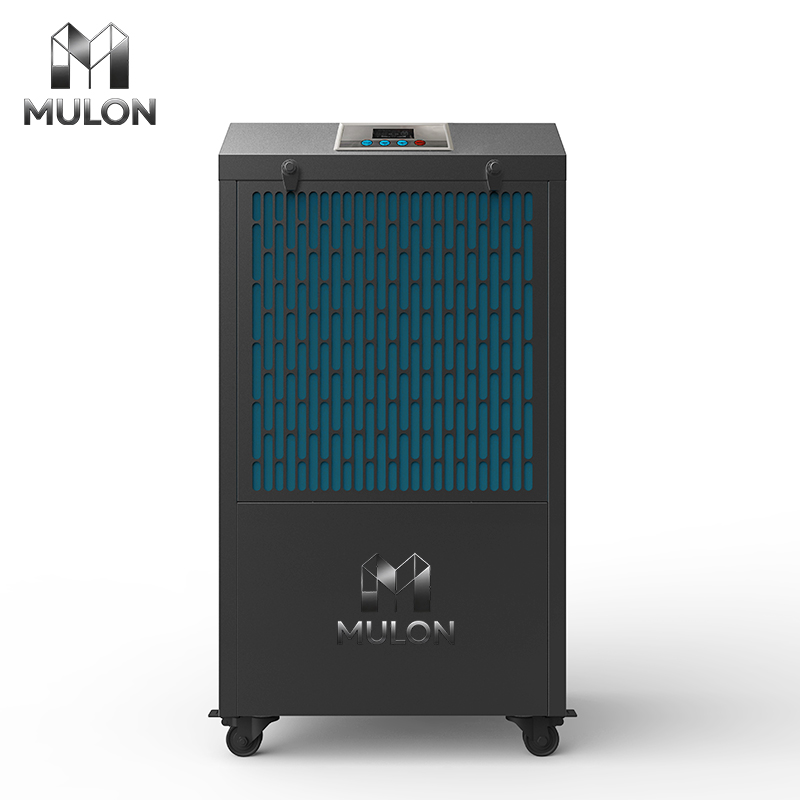
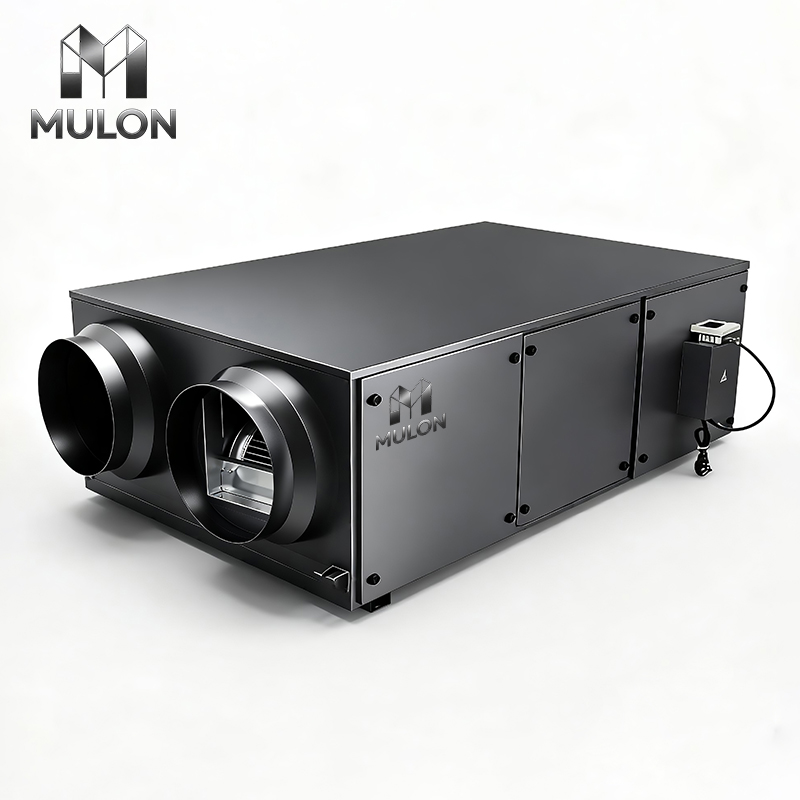
Manufacturers such as Mulon Electric Co., Ltd. offer both sides of this pairing, with an air destratifier range (including the MUL-40DE, MUL-85DE, and MUL-140DE models) and industrial fan heaters. Mulon lists its destratifier among its CEE-oriented products, which makes it a relevant option for projects in France. As always, eligibility depends on the specific project, so confirm it with your installer.
Frequently Asked Questions
- Does an air destratifier really save heating energy? Yes, in tall buildings. By returning warm air from the ceiling to floor level, it lets the heating system work less for the same comfort. Savings vary by building and should be estimated for each site.
- Can you use an air destratifier with an electric air heater? Yes. They are complementary. The heater produces heat, and the destratifier spreads it evenly through the space.
- Do destratifiers qualify for CEE subsidies in France? They can, under sheets IND-BA-110 and BAT-TH-142, if the building and installation meet the conditions. Logistics warehouses and storage buildings are excluded.
- What ceiling height do I need for a destratifier? The CEE sheets require at least 5 metres. Destratification generally becomes more worthwhile as ceiling height increases.
Conclusion
Heat trapped at the ceiling is energy you have already paid for and cannot use. Pairing an air destratifier with an electric air heater brings that heat back to floor level, improving comfort and cutting wasted heating in tall workshops and halls, and in France the destratifier can also qualify for CEE support when the project meets the sheet conditions.
Post time: 2026-10-26